Saturday, April 22, 2023

Thank you to everyone who supported us at the farmers market!


Thank you to everyone who came to the Great Falls Farmers Market on April 22 for supporting us by donating a total of $210!

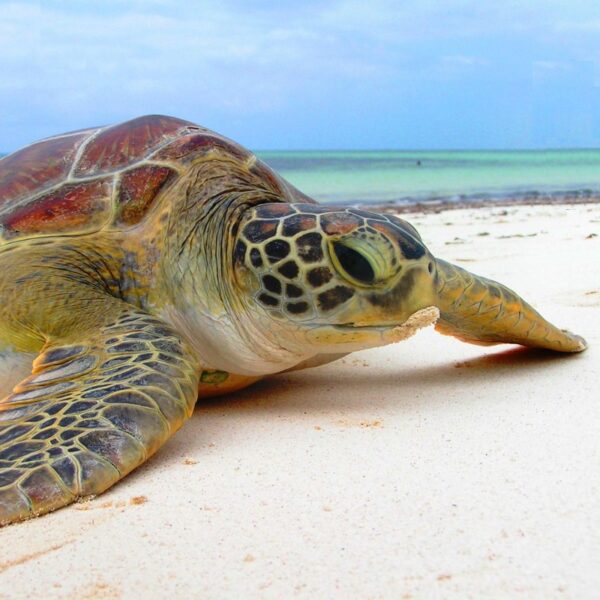
We really appreciate the generous donations that will allow us to adopt/sponsor six turtle nests. We will post updates of the baby turtles once Watamu Turtle Watch provides them. Again, thank you so much for supporting this project.


Seven Ways to Celebrate Earth Day


Members of the Climate Conservation Club at Great Falls Elementary School help set up for the Bluebell Walk at Riverbend Park.

By Halia Ochieng

This article was originally published in the Great Falls Connection on April 19 here.

This region offers so many ways to celebrate Earth Day, which falls on April 22. For example, with the help of Fairfax County Master Gardeners, you could plant a habitat garden using native plants. Soil testing kits are available at all Fairfax County libraries, and the Great Falls Garden Club has resources on local native plants and a youth grant for gardens that support local ecosystems.

Another option is to volunteer. Fairfax County offers many volunteering opportunities at local parks. Through the county’s volunteering website, my friends and I signed up to help build a native plant garden at the Great Falls Grange and prepare for the Bluebell Walk at Riverbend Park.

In case getting your hands dirty is not your cup of tea, you could research the voting records of your Congressional representatives, which are easily available online from organizations like the National Environmental Scoreboard. You could write a letter to your Senator or Representative to thank them for protecting the environment or to ask them to support future environmental bills.

The weeks leading up to Earth Day have many events open to students and the general public where you can learn more about the environment and ways to get involved. Environmental clubs can register to participate in the School Environmental Activity Showcase on April 18. This fair allows local students to present their activities and learn from each other.

You could also host or attend a fundraiser to support an environmental organization. For example, Climate Conservation Club is selling Earth Day crafts using recycled material at the annual Children’s Business Fair on April 22 on Utterback Store Road. The money raised will go to an organization in Kenya that protects injured and sick sea turtles.

You could check out books about climate change from your local library and share what you learn with your friends and family. Try writing about what you learn in school publications or even local newspapers!

And last but not least, you could also start an environmental club. By teaming up with friends at school or in your community, your group can get new ideas, have more fun, and make a bigger impact. I saw this to be true when a friend and I interviewed our principal about energy usage. By working together, we thought of better questions and had a great time.

However you choose to celebrate, have a happy Earth Day!
Saturday, April 15, 2023

What Schools Can Do To Fight Climate Change

This was originally published in the Great Falls Connection on November 23, 2022.
 
By Halia Ochieng, 6th Grade, Great Falls ES
Principal Sara Harper displays energy awards with Halia Ochieng and Alexa Landi, who are 6th graders at Great Falls Elementary School and the co-founders of Climate Conservation Club (CCC).

Whether you are concerned about fuel prices, global warming, or dependence on foreign oil producers like Russia or Iran, we need to find ways to reduce energy usage. Fairfax County Public Schools (FCPS) is taking helpful steps towards this goal. For example, FCPS committed to achieve a 20% reduction of energy usage from 2013 to 2023. According to data provided by FCPS, Great Falls Elementary School (GFES) achieved this goal by 2016. According to the same data, progress at GFES has slowed since then, and other schools may not reach their goal. To accelerate change, schools can consider some simple additional steps.

For example, schools could reduce heating and air conditioning by allowing teachers and students to wear temperature-appropriate clothes. GFES installed heating and lights that switch off automatically after school but could also fully transition to energy-efficient appliances. Cafeteria menus could offer less meat, source foods locally, and switch to reusable trays and utensils. Cafeterias could also start composting systems to reduce fuel for transporting waste. GFES donates leftover supplies to schools in need but could go a step further by coordinating school supply lists between grade levels so students can reuse supplies from previous years.

Schools don’t have to act alone. Students, parents, and local governments also play important roles. Students can conserve school supplies, switch to reusable lunch containers, and use recycling bins in the classrooms and cafeterias. Students should take the bus instead of being driven to school, and parents should walk children to the bus stop instead of driving them. If parents do drive, they should at least turn off the car while waiting for the bus or at the Kiss and Ride.

Local governments can help by building safe bike lanes and sidewalks to schools, so students can go to school in a climate friendly way.

These small changes would help slow the negative impacts of global warming, which include extreme weather, such as floods, hurricanes, and wildfires. These changes also can prevent food insecurity, loss of livelihood and increased water conflict.
 
Reducing energy can involve up-front expenses, but reduces utility bills in the long-run, allowing FCPS to save money for other needs. As a resource-rich school in a resource-rich county, we can lead the way by showing other schools how these changes are climate-friendly and budget-friendly.

According to the November 2022 issue of the Economist, current emission levels will not sufficiently slow global warming. We need more drastic changes to avoid hurricanes and heat waves like those seen recently in Florida and across Europe. To do this, young people need the opportunity to practice energy conservation and learn how their actions impact emissions. It is their futures that are most at stake.